
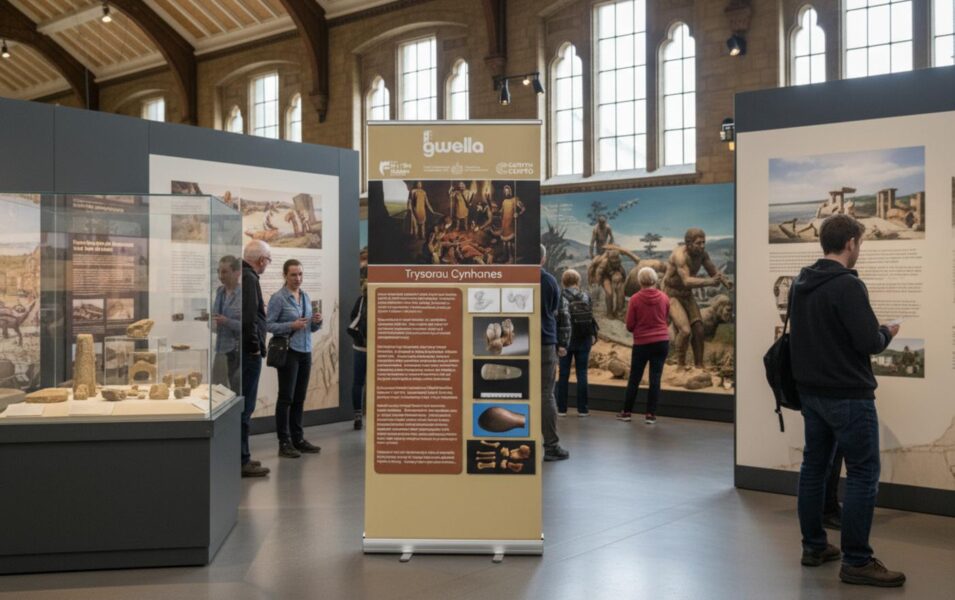
Roller Banners 101: Sizes, Costs and When To Use Them Indoors Or Out
Spring events are coming fast. You want a display that is quick to set up, easy to move, and looks sharp.
A roller banner can do that. It is simple, light, and great value.
In this guide, you will learn what to buy and why. You will also get design and storage tips to help your banner last longer and look better.
What is a roller banner?
A roller banner is a portable display with a printed graphic that rolls into a base. You pull it up, hook it to a pole, and you are ready.
People also call them roll-up banners, pull-up banners, and retractable banners. All these names refer to the same basic idea.
They shine at trade shows, open days, receptions, and talks. You can move them in seconds and set them up on your own.
If you are browsing options, you can see typical choices on our roller banners page. It shows sizes and print options, and you can ask for help with artwork there as well.
Typical sizes and widths
Most roller banners are around 2 metres tall when up. Widths vary. Common sizes include:
-
850 mm wide for tight spaces and single messages
-
1 metre wide for a bit more impact
-
1.5 metres and 2 metres wide for big visuals or busy areas
If you need to fill a wide backdrop, you can place two or three side by side. Keep a clean join in your artwork so images align well.
Single-sided vs double-sided
Most buyers pick single-sided. It faces one way and costs less. It suits walls, shell schemes, and reception areas.
Double-sided banners show your message on both sides. They work in corridors, show aisles, and open spaces. People see you from both directions. They cost more but can double your reach in the right spot.
When to choose a deluxe mechanism
A deluxe base is heavier and more stable. It often has a neater finish and a wider footprint. Choose deluxe if:
- You will use it often throughout the year
- The space has steady footfall and a risk of knocks
- You want a cleaner, more premium look
- Your graphic is wide and needs extra stability
Standard bases are fine for one-off use or short runs of events. Deluxe gives you more life and less wobble.
Can you use roller banners outside?
Roller banners are built for indoors. You can use them outside for short periods on calm days with care. Place them on flat ground. Add weight at the base.
Top Tip: Keep them away from doors and gusts.
Wind is the risk. A sudden gust can flip the stand and damage the graphic. Rain can also mark some prints and damage the base mechanism. If you need outdoor impact, choose purpose-made outdoor options.
Better outdoor choices include:
- PVC-free mesh banners that let wind pass through fences
- Eco banner boards or event boards for short-term outdoor signage
- Flag systems for movement and long sight lines
Ask your printer which material suits your site. If you need advice, our team helps local buyers choose between roller stands and outdoor banners every week. You can start with our vinyl banner page if you plan to fix it to a fence or rail.
Eco and fabric alternatives to vinyl
You may want to avoid PVC. Good news. There are clean options.
- PVC-free mesh reduce plastic use. Mesh is lighter and safer in the wind.
- Xscape stands use less material than a roller stand. Graphics clip on and are easy to swap.
- Fabric stands use an aluminium frame with a stretch fabric sleeve. The print looks smooth, and the graphic can be washed. It is great for backdrops and photo walls.
How much does a roll-up banner cost?
Prices vary. A typical single sided 850 mm wide banner is often an entry price point. Wider sizes, deluxe bases, double-sided print, and fabric systems cost more.
The main factors that affect price are:
- Width and height
- Standard vs deluxe hardware
- Single vs double-sided print
- Material type, for example, PVC-free or fabric
- Quantity ordered
- Design support and file fixes
- Express production or delivery
For current prices, check the live options on our roller banners page. If your artwork is not ready, we can help you fix the big problems and help you prepare your file for commercial print.
Design tips that make people stop
Keep it bold. People pass a banner in 2 to 3 seconds. Your message must land fast.
- Write one big headline. Make it short and clear.
- Use one strong, high-resolution images. Aim for 300 dpi at the final size.
- Keep key text in safe areas. Leave at least 50 mm at the top and sides, and up to 100 mm at the bottom for the base area.
- Add a clear call to action. A URL, QR code, or short booking line works well.
- Use high contrast colours for easy reading. Dark text on a light background, or the reverse.
- Use alt text when sharing the design online. Describe the image for screen reader users.
Keep eye-catching headlines or offers at eye level where they’ll attract attention.
Keep logos and contact details near the bottom. Do not cram. White space helps!
File setup that printers love
Send a print-ready PDF. Set colours to CMYK. Embed fonts. Include bleed and crop marks.
For large format, supply at 50 percent or 25 percent scale if your software struggles with big files, and don’t forget to state the final size.
Images should be crisp. Avoid screenshots. If in doubt, ask for a free technical artwork check.
We would always recommend using one of our layout guides and are more than happy to share them with you.
You can also download them from our Artwork Guidelines & Templates tab here:
Packing, transport and storage
Treat your banner like a small piece of kit. A bit of care makes it last longer.
- Always roll into the base slowly and ensure that it is completely straight
- Use the supplied bag for travel
- Do not leave it in a boiling hot car for hours
- Store in a dry place, away from damp floors
- Wipe dust with a soft, dry cloth, not chemicals
If a corner lifts as you roll it down, stop and guide the edge in by hand. This avoids creases.
When to choose a different display
Pick a different system if:
- You need day-long outdoor use or windy sites
- You want a curved or seamless photo wall
- You plan to swap graphics often on the same frame
Fabric stands and tension systems are better for these needs. They are sturdy, and the prints are easy to change.
Roller Banner Quick quote checklist
Before you ask for a quote, note:
- Size and width needed
- Single or double-sided
- Standard or deluxe base
- Indoor only, or brief outdoor use
- Material preference, for example, PVC-free or fabric
- Delivery date and event venue
- Do you need help with artwork or a file fix?
You can start your order and request artwork help on our roller banners page. If you also need leaflets or posters for your stand, see our poster printing services to keep the look consistent.
FAQs
Q: What is a roller banner, and what else are they called? A: It is a portable pull-up display where the printed graphic rolls into a base. People also say roll-up, pull-up, retractable, or pop-up banner.
Q: How much does a roll-up banner cost, and what changes the price? A: Price depends on width, hardware, single or double sided, material, quantity, design help, and speed. Check live pricing on our product page for current costs.
Q: Can you use roller banners outside? A: Yes, for short periods but only when the weather is completely calm. When wind or rain are an issue, choose outdoor-safe options like mesh banners, boards, or flags.
Q: Are there eco or fabric alternatives to vinyl? A: Yes. PVC-free mesh, eco tension stands, and fabric stands are strong choices.
Final thoughts
A good roller banner is clear, sturdy, and easy to use. Choose the right width and base. Keep the message bold. Treat the hardware with care so it keeps working.
If you need help with artwork or picking the right system for your space, start with our roller banners page and request help with artwork. Planning a fence banner, too? Explore our vinyl banners options to compare materials for outdoor use.
Helpful links:
- Explore roller banners and request artwork help: https://www.finelineprintandweb.co.uk/roller-banners
- Compare materials for outdoor banners: https://www.finelineprintandweb.co.uk/vinyl-banners
- Order posters to match your stand: https://www.finelineprintandweb.co.uk/print/posters